
"kenya little tomato"
200 article(s) found

Coffee from Tanzania
Most of the Tanzanian beans are grown in Mr. Kilimanjaro and Mt, near the northern Kenyan border. The coffee producing areas around Meru, often referred to as "Clemangaro", are occasionally named after the distribution center Moshi or Arusha.
PB coffee raw beans and Peaberry round beans
Most Tanzanian beans have typical African bean characteristics.
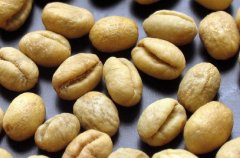
Tanzania Coffee Green Bean
Tanzania coffee green bean Most of Tanzania's beans are grown in Mr. Kilimanjaro and Mt. Meru near the northern Kenyan border. The Meru area is commonly referred to as "Krimanjaro," and is occasionally named after the distribution centers Moshi or Arusha. Also, south of the border,
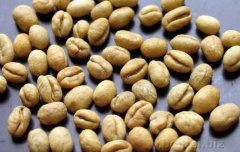
Tanzania PB coffee raw beans / Peaberry beans
Tanzania PB coffee raw beans Tanzania coffee green bean / Peaberry round beans, usually the best. Most of the Tanzanian beans are grown in Mr. Kilimanjaro and Mt, near the northern Kenyan border. The Meru area, often referred to as "Clemencaro", is occasionally known as Moshi or
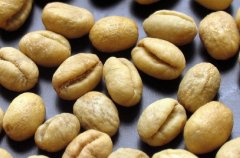
Introduction to Tanzania Coffee Raw Bean
Tanzania coffee green bean raw coffee beans from Tanzania most of the Tanzanian beans are grown in the Mr. Kilimanjaro and Mt mountains near the northern Kenyan border. The Meru area, often called "Clemangaro", is occasionally named after the distribution center Moshi or Arusha. In addition, on the south side of the border
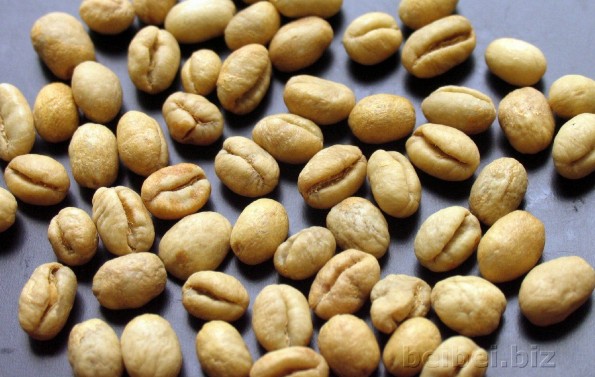
World boutique coffee beans introduction: Tanzania PB coffee raw beans Peaberry round beans
Introduction: Tanzania PB coffee raw beans Tanzania coffee green bean Peaberry round beans, usually the best. Tanzania PB coffee raw beans Tanzania coffee green bean Peaberry round beans, usually the best. Most of the Tanzanian beans grow in the mountains of Mr. Kilim, near the northern Kenyan border

The flavor characteristics of Tanzanian coffee, is Tanzanian coffee good?
Following Ka Pin (Wechat official account vdailycom) found that Beautiful Cafe opened a small shop of its own. Most of the Tanzanian beans grow in Mr. Kilimanjaro and Mt, near the northern Kenyan border. Meru), often referred to as "Clemangaro", is occasionally used as a distribution center, Moshi or Arusha.

Difference of Coffee Flavor between Neri and Kirin Yajia producing areas in Kenya introduction of Kenyan coffee varieties
Kenyan coffee plant varieties Kenya's red-orange, fertile volcanic soil and the region's mild climate as well as ideal equatorial sunlight and a carefully selected Kenyan coffee plant variety SL 28 SL 34 K7 Ruiru 11 Batian-all unique to East Africa, as well as the Blue Mountains. These varieties may make Kenya the most stable world-class boutique coffee producer in the world. Kenny.

Introduction to the treatment methods for describing the characteristics of Tanzania Coffee Flavor with elegant Fruit Acid
Coffee is like the simple, frank and enthusiastic national character of Tanzania. You can experience that different ethnic groups produce different coffee flavors, while the same land is pregnant with coffee trees and people at the same time. Its acidity is usually milder, and it evenly stimulates the taste buds in the middle and both sides of the back of the tongue after the entrance. It feels a bit like the sour taste of tomato or soda. Baked moderately or more

How to drink Kenyan coffee, Kenya coffee taste
Follow Coffee Review (Weixin Official Accounts vdailycom ) Discover Beautiful Cafe Open Your Own Shop Kenya Nyeri Gaturiri Peaberry Country: Kenya Grade: TOP PB Production Area: Nyeri Roasting Degree: Light Roasting Treatment Method: Washing Variety: SL28, SL34 Treatment Plant: Chakeni Treatment Plant Flavor: Black Plum, Green Portuguese

Summary of regional varieties of coffee beans grown in Tanzania
Following Ka Pin (Wechat official account vdailycom) found that Beautiful Cafe opened a small shop of its own. Most of the Tanzanian beans grow in Mr. Kilimanjaro and Mt, near the northern Kenyan border. The coffee producing areas around Meru, commonly known as "Clemangaro", are occasionally used as distribution centers such as Moshi or Aru.

What does it taste like to bake 50 degrees deep at Kashasha Manor in Kenya? How to deep-bake Kenyan coffee beans
For more information on coffee beans, please follow the coffee workshop (Wechat official account cafe_style) Kenya Coffee is a country that produces fine coffee. Only the traditional Arabica was introduced from Britain in 1900, and it was not until 1950 that the best bourbon variants of SL28 and SL34 in Kenya appeared. Most coffee beans are regulated by the Kenya Coffee Bureau.
Coffee beans from Sika, Kenya: a description of the characteristics and flavor of Kenyan coffee from the African continent
Kenya Sika is one of the well-known producing areas in the second largest coffee producing country in Africa. Compared with coffee beans in other Kenyan producing areas, it not only has obvious tomato tonality, but also has some unique characteristics. The treatment method of raw bean is mainly water washing, the grading method is graded by particle size, and its practical value is determined by cup test. The highest grade of coffee beans is AA (left at 7.2m
History of Coffee in Arab East Africa
[Ethiopia] the highlands of Ethiopia are the birthplace of coffee. The traditional drying method is still used to produce mocha-Hara beans (Harrar,Harari,Harer or Harar) at an altitude of about 2,000 meters near Harrar in the east. Hara has a medium texture and a fruit wine-like flavor, and a good Hara is as wild as the best Yemenmoka.

A description of the flavor of Tanzanian coffee beans with round taste an introduction to the treatment of grinding scale manor areas
Coffee market in Tanzania: coffee exports from Tanzania (Tanzania) play an important role in the entire national economy. In the past, the coffee industry in Tanzania has been dominated by manor cultivation, but now more than 85% are grown by small farmers. Many small farmers form cooperative organizations, the most important of which is the Kilimanjaro Cooperative Alliance (KilimanjaroCoopera)

Bright sour Tanzanian coffee beans taste manor characteristics of Kilimanjaro coffee
Tanzanian coffee has the excellent pedigree of the Middle Eastern non-washed bean family, bright acidity, rich and irritating flavor. There is no doubt that Kenyan coffee takes the lead in this family, but Tanzania has many advantages that are very similar to those of Kenya. Round beans are often specially selected and expensive, but sometimes they taste hairy.

A brief introduction to the flavor, taste and aroma characteristics of elegant and sour Tanzanian coffee beans
Compared with pair of flat-sided beans, also known as caracol or caracolillo, round beans mean small snails in Spanish. Botanically, the production of round beans is said to be due to uneven pollination (Arabica coffee is a self-pollinating plant. If a coffee flower has only one ovary or only one ovary is successfully pollinated, it can only produce one seed.

Coffee Variety | Origin and cultivation of rare Pink bourbon Pink Bourbon
The output of red bourbon, yellow bourbon, orange bourbon and pink bourbon is less, while that of pink bourbon is very little. Pink bourbon is too rare to be known in the past. The planting conditions of pink bourbon pink bourbon is a hybrid of yellow bourbon and red bourbon, with strong disease resistance and delicious food. Compared with other varieties, beans have higher density.

Introduction to the Grinding degree of the Variety characteristics of Tanzania Coffee Bean
Tanzania is a typical East African country, bordering Kenya and Uganda to the north, Malawi, Mozambique and Zambia to the south, and Rwanda and Burundi to the west. Many people like to compare Tanzanian coffee with his neighbor Kenya. Compared with Kenyan high-quality coffee beans, Tanzanian coffee has less bright acidity, softer beauty, more sweetness and red wine flavor.

Introduction to the characteristics of varieties produced by taste grinding scale of Arusha coffee beans
The characteristics of Arusha coffee beans produced by grinding scale varieties Kona Extra fancy kona beans in Hawaii, which is considered to be one of the best coffee producing areas in the world, must cover six important factors: soil quality, altitude, sunshine, cloudiness, rainfall and slope. Hawaii is blessed with these six elements to produce the best in the world and